- Pulitzer Prize-winning cartoonist Ann Telnaes resigned from The Washington Post after her cartoon criticizing tech and media billionaires was pulled by an editor, raising concerns over press freedom.
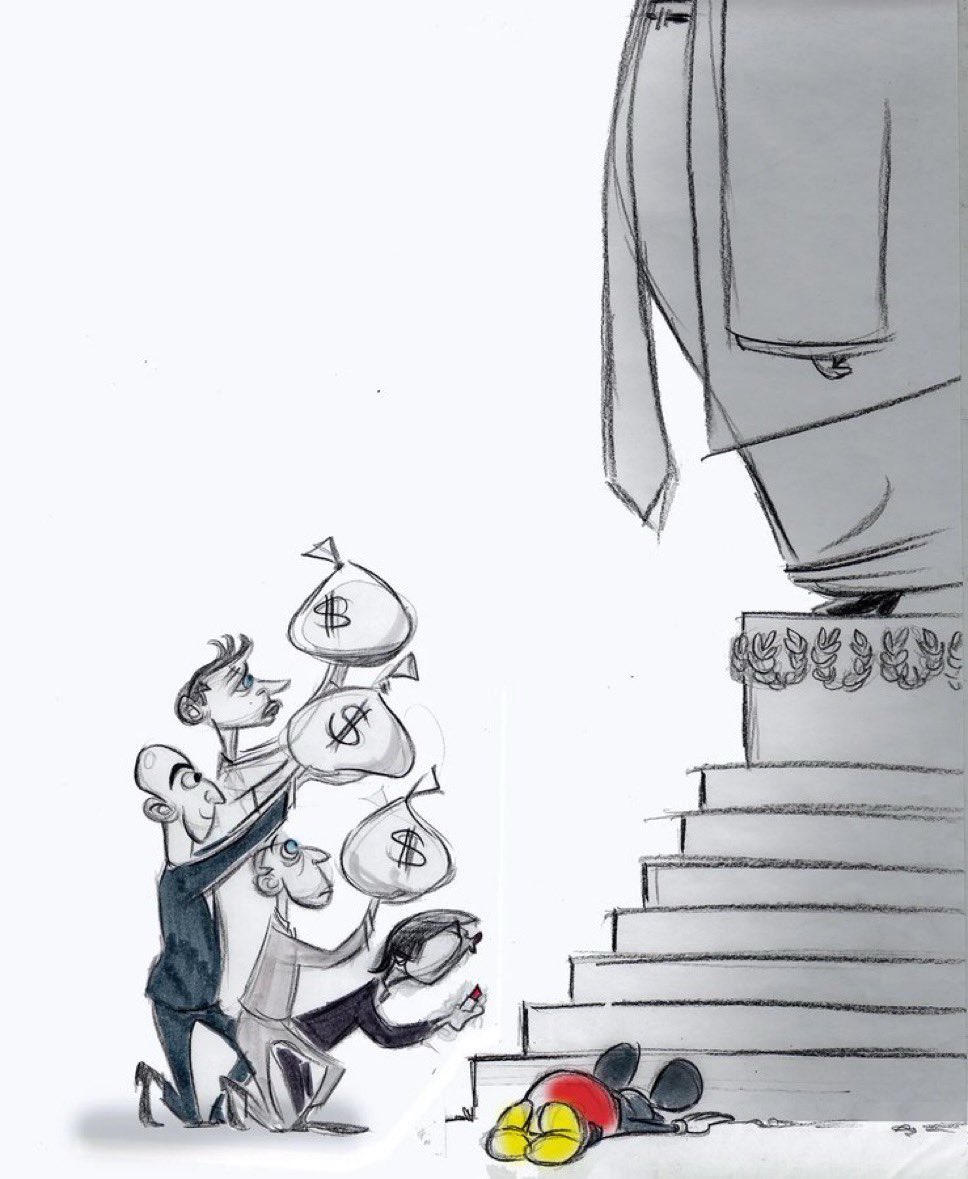
- The cartoon depicted figures like Jeff Bezos, Mark Zuckerberg, and Sam Altman aligning with Donald Trump, critiquing their efforts to protect corporate interests.
- Telnaes argued the decision to suppress her work sets a dangerous precedent, emphasizing the need to protect editorial independence and hold power accountable.
Prominent Pulitzer Prize-winning cartoonist Ann Telnaes has resigned from The Washington Post following the decision to suppress her cartoon criticizing several tech and media executives. The cartoon, which targeted billionaires such as Jeff Bezos, Mark Zuckerberg, Sam Altman, and others, was allegedly "killed" by an editor, marking a first in Telnaes' career at the newspaper. This incident has sparked a debate about press freedom and editorial independence.
Cartoon Targeting Billionaires Under Trump Scrutiny
Telnaes’ controversial cartoon depicted billionaire executives kneeling before a statue of Donald Trump, holding bags of money, with Mickey Mouse slumped on the floor. The cartoon critiqued the efforts of these influential figures—including Bezos (The Washington Post owner), Zuckerberg (Meta), Altman (OpenAI), Patrick Soon-Shiong (Los Angeles Times), and Walt Disney's leadership—to curry favor with then-President-elect Donald Trump. Telnaes argued that these individuals, with lucrative government contracts, were aligning themselves with Trump in an effort to eliminate regulations and secure their interests.
The cartoon drew from recent reports about these executives meeting at Trump's Mar-a-Lago resort. However, despite its pointed commentary, the editor decided to pull the cartoon, citing concerns that it overlapped with other content on the same topic.
Editor’s Justification and Telnaes’ Response
David Shipley, The Washington Post’s opinions editor, defended the decision to withhold the cartoon. In a statement to The New York Times, Shipley explained that the cartoon’s removal was due to editorial redundancy, not external influence. “We had just published a column on the same topic and had another satire piece scheduled,” he noted, dismissing suggestions that the decision stemmed from bias or pressure.
Freedom-Loving Beachwear by Red Beach Nation - Save 10% With Code RVM10
Telnaes, however, maintains that the issue goes beyond editorial judgment. She emphasized that the decision reflects a dangerous precedent, stating, “This was not due to unclear messaging or visual metaphors. It was about the cartoon’s inherent point of view, and that changes everything.” Telnaes sees this as a threat to the free press, particularly when media organizations are obligated to hold power accountable.
The Role of Editorial Independence in Press Freedom
For Telnaes, the incident underscores the critical role of editorial cartoonists in democratic discourse. She argued that safeguarding press freedom should take precedence over corporate interests, especially in media organizations with public obligations. “When the owners of press outlets prioritize gaining favor with political figures, they undermine the free press,” she explained. Telnaes believes this move directly interfered with her responsibility as a cartoonist to challenge powerful individuals and institutions.
As a respected figure in journalism, Telnaes has long advocated for freedom of expression. She has served on the advisory board of the Geneva-based Freedom Cartoonists Foundation and was previously a board member of Cartoonists Rights. Throughout her career, she has highlighted the risks faced by international cartoonists who put their safety on the line to expose injustices.
Departure Signals Broader Concern for Journalism
Telnaes’ decision to leave The Washington Post marks a turning point in her relationship with the publication. She stated that, until this incident, none of her work had been censored outright. While she acknowledged past editorial feedback and occasional disagreements, she maintained that no cartoon had been entirely banned before now.
Critics of the decision believe it raises concerns about the influence of corporate ownership on journalistic integrity. Telnaes remarked, “As they say, ‘Democracy dies in darkness.’ I will continue holding power accountable through my work, whether or not it stirs much reaction.”
What This Means for the Future of Editorial Cartooning
Telnaes’ resignation highlights the challenges faced by editorial cartoonists in navigating a media landscape shaped by corporate interests. She called for news organizations to reaffirm their commitment to press freedom, emphasizing that cartoonists play a vital role in civic debate. “Editorial cartoonists are essential to journalism,” she said. “We must ensure that their voices are not silenced.”
This incident serves as a reminder of the importance of protecting independent journalism in the face of shifting priorities. As public trust in media remains fragile, the role of cartoonists and their capacity to critique power must not be underestimated.
CLICK HERE TO READ MORE FROM THE THE DUPREE REPORT
Support independent journalism and the voices of editorial cartoonists by subscribing to diverse news platforms. Advocate for press freedom by staying informed and engaging in conversations about the importance of holding power accountable. Your voice matters in preserving the integrity of the press.
Freedom-Loving Beachwear by Red Beach Nation - Save 10% With Code RVM10
Join the Discussion
COMMENTS POLICY: We have no tolerance for messages of violence, racism, vulgarity, obscenity or other such discourteous behavior. Thank you for contributing to a respectful and useful online dialogue.
I call BS! What’s another cartoon exposing TRUTH in their own way?